
- Home
- About Us
- Types of Decks
- Ugrades
- Our Process
- Blog
- Pricing Packages
- Composite Deck Installation
- PVC Deck Installation
- Wood Deck Installation
- Builder and Realtor Partnership Page
- FAQ
- Deck Builder in Valparaiso, Indiana
- St John
- Hebron Indiana
- Schererville
- Chesterton Indiana
- Portage
- Crown Point, Indiana
- LaPorte
- Lake County
- Porter County
- LaPorte County
- Portfolio
- Portfolio
- Portfolio-2
- Pricing-Packages-2
Expert Tips for Choosing the Right Deck Design


Understanding Your Needs and Preferences
When embarking on the journey to design the perfect deck, it's essential to first understand your needs and preferences. Consider how you plan to use the deck. Is it for hosting large gatherings, enjoying quiet family dinners, or simply lounging in the sun? Understanding your primary use will guide many design decisions.
Your personal style will also play a significant role. Whether you lean towards a modern, minimalist aesthetic or prefer a rustic, natural look, your deck should reflect your tastes. Take the time to browse through design ideas and gather inspiration.
Assessing Your Space
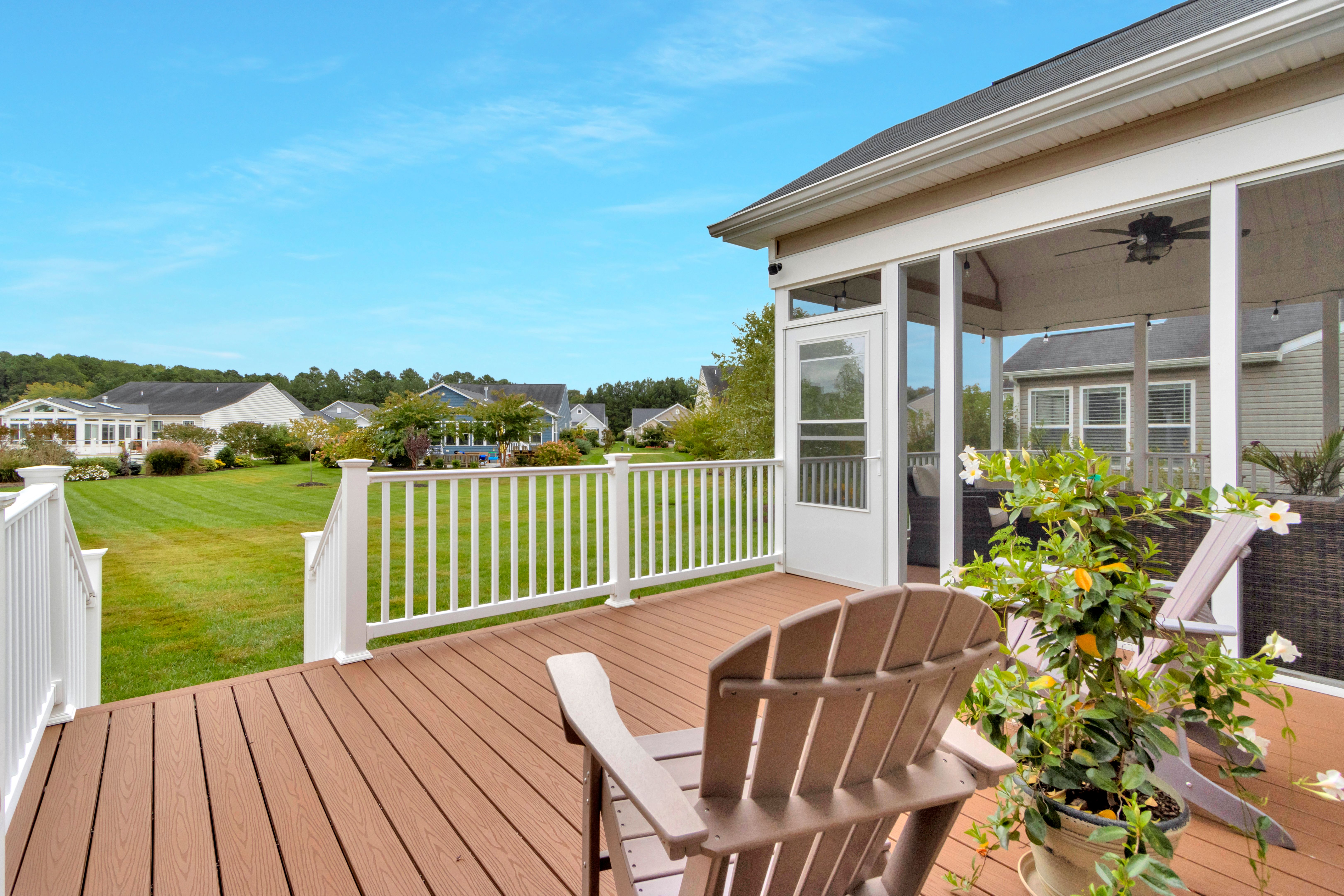
The available space will heavily influence your deck's design. Begin by measuring the area where you plan to build. Consider the deck's proximity to your house, garden, and any other existing structures. Also, think about the view and the sun's path to optimize the deck's position.
Consider the terrain and any potential obstacles. Sloped yards, existing trees, or utility lines may require creative solutions or adjustments to the design. A thorough assessment of your space will help avoid costly changes later.
Material Selection
Choosing the right materials is crucial for both aesthetics and longevity. Common options include wood, composite, and PVC. Each material has its pros and cons. For instance, wood offers a classic look but requires regular maintenance, while composites provide durability with less upkeep.
Designing for Functionality
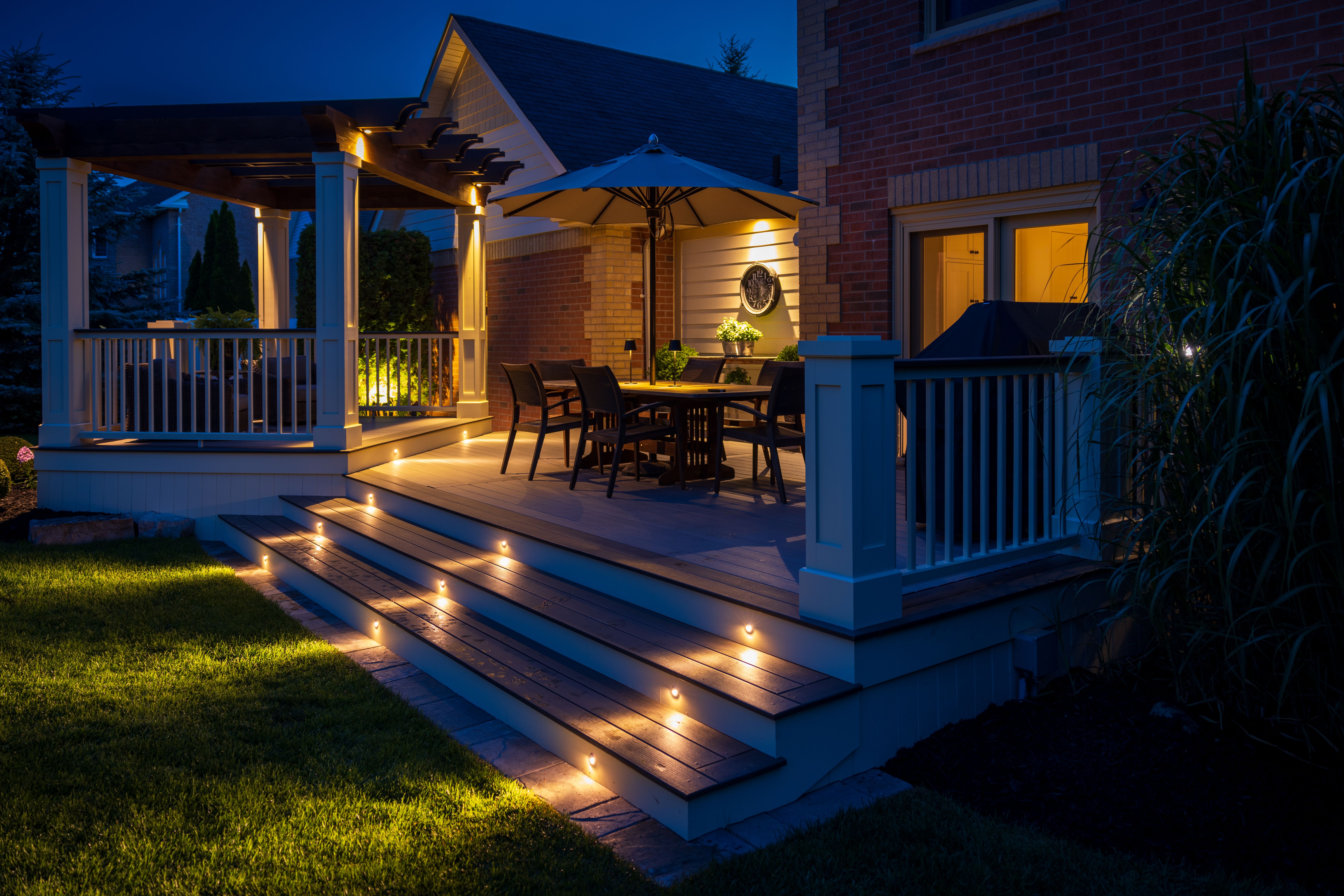
Functionality should be at the forefront of your design process. Think about the flow of movement and ensure there's enough space for furniture and guests. Incorporate elements like built-in seating, planters, or even a fire pit to enhance usability.
Consider incorporating levels or sections to define different areas. For example, a raised platform can create a cozy dining space away from the main lounging area. This can add depth and interest to the overall design.
Incorporating Safety Features
Safety is another crucial aspect. Ensure your deck includes features like sturdy railings, non-slip surfaces, and proper lighting. These elements not only enhance safety but also add to the aesthetic appeal.
For families with children or pets, additional considerations like gated entries or enclosed spaces can offer peace of mind. It's important to prioritize safety without compromising on style.
Budget Considerations
Your budget will influence many aspects of the deck design. It's essential to set a realistic budget early in the planning process. Consider not just the initial build cost but also long-term maintenance expenses.
To stay within budget, prioritize must-have features over optional luxuries. Work with a professional to explore cost-effective solutions that align with your vision without overspending.
Consulting with Professionals
While DIY projects can be rewarding, consulting with professionals can provide valuable insight and expertise. Architects, designers, and builders can offer creative solutions, suggest suitable materials, and ensure compliance with local building codes.
Ultimately, a well-designed deck is a result of careful planning and consideration. By understanding your needs, assessing your space, and consulting with experts, you can create a deck that is both beautiful and functional.