
- Home
- About Us
- Types of Decks
- Ugrades
- Our Process
- Blog
- Pricing Packages
- Composite Deck Installation
- PVC Deck Installation
- Wood Deck Installation
- Builder and Realtor Partnership Page
- FAQ
- Deck Builder in Valparaiso, Indiana
- St John
- Hebron Indiana
- Schererville
- Chesterton Indiana
- Portage
- Crown Point, Indiana
- LaPorte
- Lake County
- Porter County
- LaPorte County
- Portfolio
- Portfolio
- Portfolio-2
- Pricing-Packages-2
The Science Behind Building a Durable Deck: Insights from Deck Geekz


Creating a deck that stands the test of time involves more than just choosing the right materials. At Deck Geekz, we believe in the science behind building a durable deck. Understanding the principles of construction, material science, and environmental considerations is crucial for creating a long-lasting outdoor space.
Choosing the Right Materials
The foundation of any durable deck lies in the materials used. High-quality, pressure-treated wood is a popular choice due to its resistance to decay and insects. However, composite materials are gaining popularity because they combine wood fibers with plastic for enhanced durability and minimal maintenance.
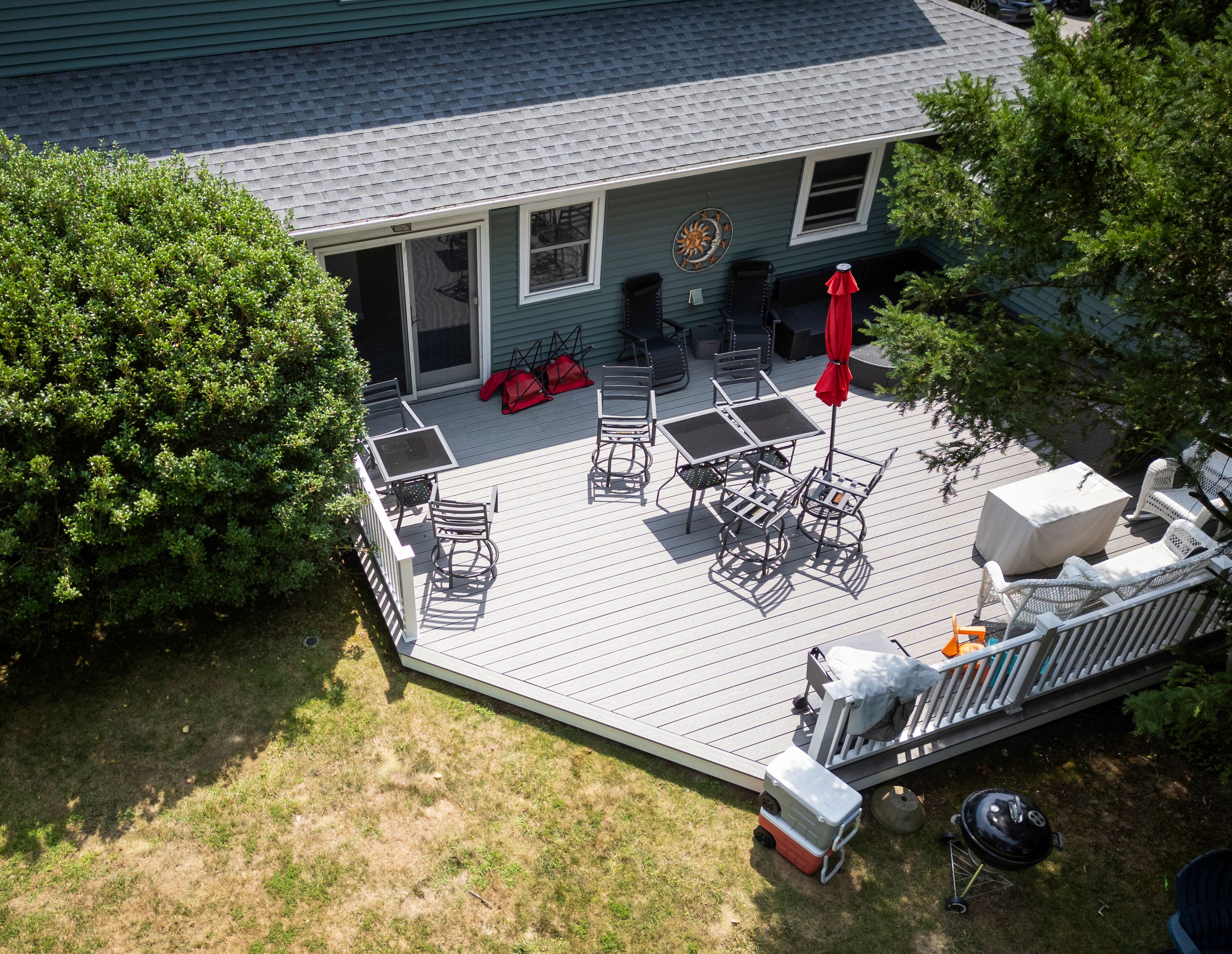
When selecting materials, it's essential to consider the climate. Weather conditions can significantly impact the longevity of your deck. In areas with high humidity, choosing materials resistant to moisture is vital. Similarly, in regions with intense sunlight, UV-resistant materials help prevent fading and deterioration.
Engineering for Stability
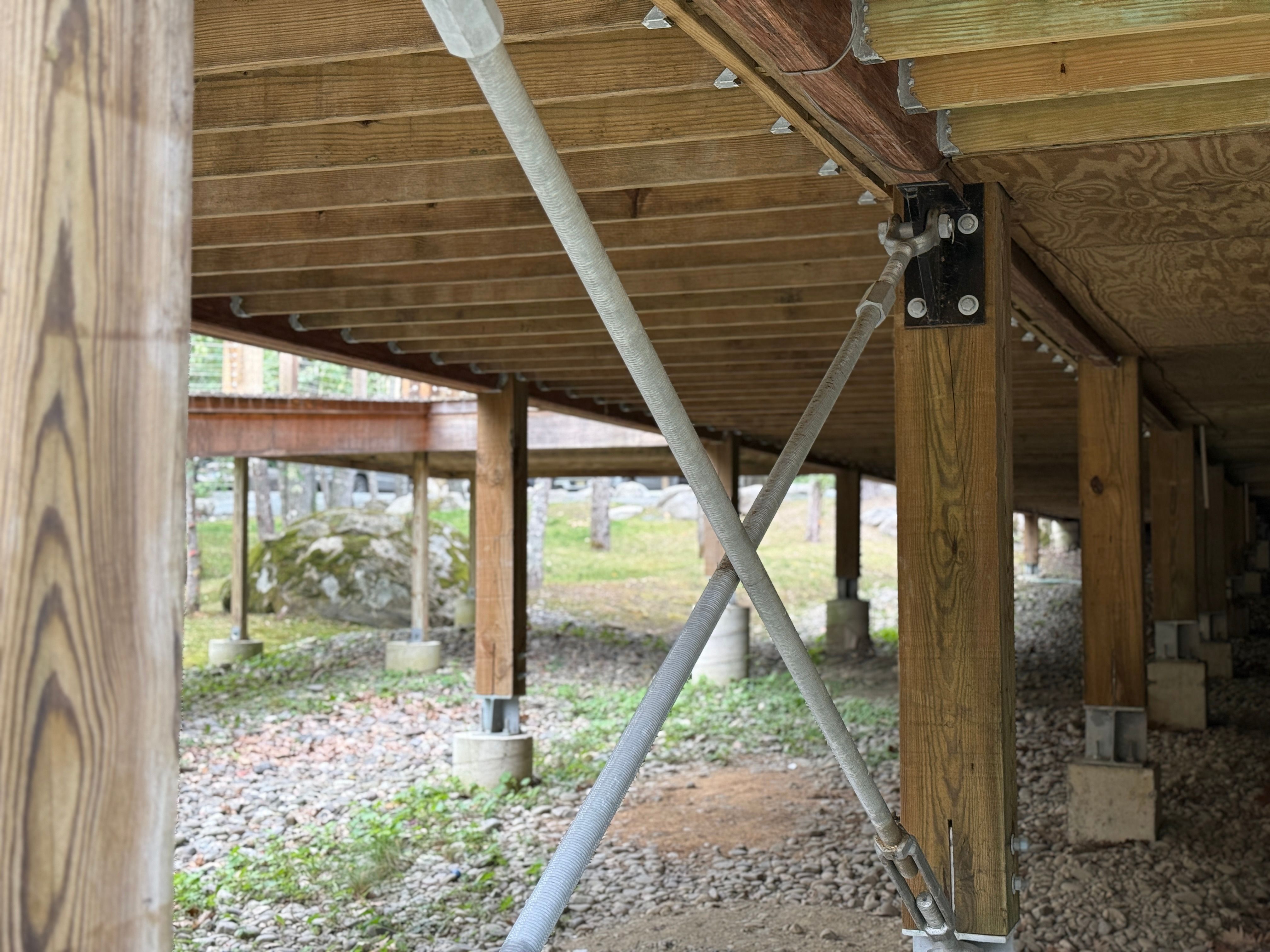
Engineering a stable deck structure involves understanding load-bearing capacities and proper anchoring techniques. The deck's design must accommodate the expected weight from furniture, people, and additional features like hot tubs or grills. A well-engineered deck requires precise calculations to ensure safe load distribution.
Proper anchoring is crucial to prevent movement and instability. Using galvanized steel connectors and fasteners can enhance the deck's structural integrity. These components resist corrosion, ensuring a longer lifespan for your deck's foundation.
Environmental Considerations
Environmental factors play a significant role in deck durability. Drainage solutions are necessary to prevent water pooling, which can lead to wood rot and structural damage. Incorporating a slight slope in the deck design ensures water runoff, reducing the risk of water damage.
Additionally, considering the surrounding landscape and vegetation can impact your deck. Trees and plants can provide shade, reducing sun exposure, but they can also drop debris that retains moisture. Regular maintenance, such as clearing debris, is essential for longevity.
Maintenance and Care
Regular maintenance is key to preserving the quality and appearance of your deck. Cleaning your deck with a mild detergent and water can prevent dirt buildup and stains. Applying a protective sealant annually can further protect against moisture and UV damage.
Inspecting your deck for signs of wear, such as loose boards or rusted fasteners, allows for timely repairs. Addressing minor issues promptly can prevent more extensive damage and prolong the life of your deck.
Conclusion
Building a durable deck is a blend of science and art. By understanding the materials, engineering principles, and environmental factors, you can create a structure that not only enhances your outdoor living space but also withstands the test of time. At Deck Geekz, we're passionate about helping you design and maintain a deck that offers beauty and durability for years to come.